
The Real Cost of Friction and Wear
Posted by Randy Hydrick on Aug 26th 2026
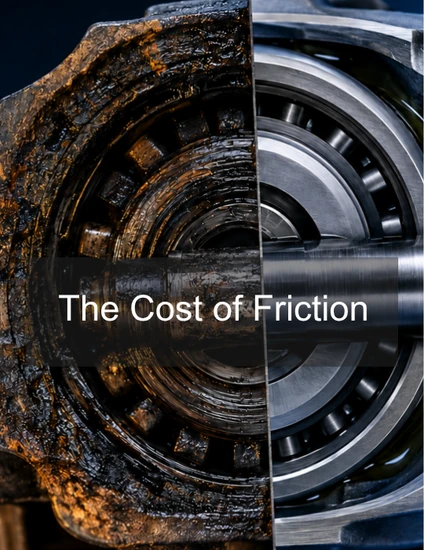
Every moving hydraulic component is affected by friction. Pumps, valves, cylinders, bearings, seals, and motors all depend on surfaces moving against or near one another. When lubrication, filtration, or operating conditions are not properly managed, that friction can accelerate wear and eventually lead to equipment failure.
The financial impact reaches far beyond the price of a replacement part.
Research associated with MIT estimates that friction and mechanical wear account for economic losses equal to approximately 6% of U.S. economic output. This estimate is not limited to repair expenses or poor lubrication. It reflects the broader costs associated with friction and wear, including energy consumption, replacement equipment, maintenance labor, downtime, and lost productivity.
What Is Tribology?
Tribology is the study of friction, wear, and lubrication between surfaces in relative motion. While the term may sound academic, its application is part of everyday hydraulic system maintenance.
Every time a pump rotates, a valve spool shifts, or a cylinder extends, tribology is at work. The condition of the lubricant, component materials, surface finishes, operating temperatures, loads, and contamination levels all affect how much friction and wear occur.
Understanding these relationships helps maintenance teams make better decisions about system design, fluid selection, filtration, inspection, and component replacement.
Lubrication Is Important—but It Is Not the Entire Solution
The correct hydraulic fluid creates a protective film between moving surfaces, reduces friction, carries away heat, and helps control wear. However, even the right lubricant cannot perform effectively if the system is contaminated, overheated, or operating outside its intended specifications.
A comprehensive approach should consider:
- Using the correct fluid type and viscosity
- Maintaining appropriate fluid levels
- Controlling operating temperatures
- Selecting filtration for the system and application
- Monitoring fluid cleanliness and condition
- Preventing water, dirt, and air from entering the system
- Inspecting hoses, seals, fittings, and components regularly
- Addressing leaks, unusual noise, heat, and performance changes early
These practices work together to protect the entire hydraulic system.
Small Contaminants Can Cause Significant Damage
Contamination is one of the most persistent threats to hydraulic equipment. Particles that may be difficult to see can pass through tight component clearances, scratching surfaces and creating additional wear debris.
As contamination circulates, the damage can multiply. Clearances increase, internal leakage develops, efficiency falls, temperatures rise, and component performance declines. What begins as a fluid-cleanliness issue can become a pump, valve, or system failure.
Effective filtration and contamination control help interrupt this wear cycle before it becomes an expensive repair.
Watch for the Early Warning Signs
Hydraulic systems often provide warning signs before a major failure occurs. Maintenance teams should investigate:
- Rising operating temperatures
- Unusual noise or vibration
- Slower or inconsistent equipment movement
- Frequent filter changes
- Dark, cloudy, or foaming fluid
- Recurring leaks
- Pressure fluctuations
- Visible metal particles or debris
- Increasing energy consumption
These symptoms may point to lubrication problems, contamination, internal leakage, component wear, or other system concerns. Identifying the cause early can help prevent secondary damage and unplanned downtime.
Turn Tribology into a Maintenance Advantage
Friction and wear cannot be eliminated, but they can be managed. Proper lubrication, effective filtration, contamination control, appropriate component selection, and regular inspection can significantly improve hydraulic equipment reliability.
The goal is not simply to respond when a component fails. It is to recognize the conditions that cause wear and correct them before they interrupt production.
Flow Dynamics helps customers evaluate hydraulic system needs and identify practical solutions for filtration, fluid management, component repair, replacement, and preventive maintenance. When equipment reliability matters, managing friction and wear is a smart place to start.