
Hydraulics 201: Efficiency & Maintenance That Protect Your Uptime
Posted by Randy Hydrick on Apr 9th 2026
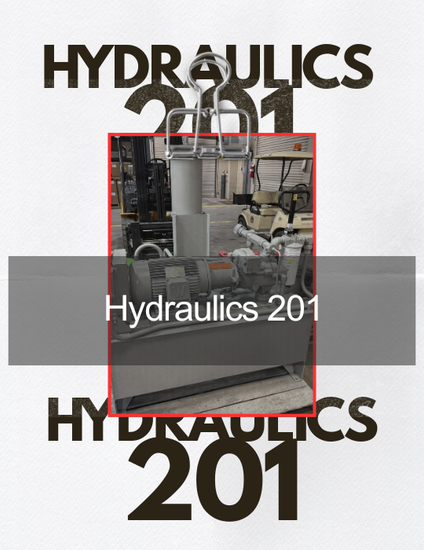
Hydraulics 101 covered how systems generate force.
Hydraulics 201 is about something more important: keeping that power efficient and reliable.
Because here’s the reality, most hydraulic failures don’t happen suddenly. They build slowly through heat, contamination, and neglect.
If your system is losing efficiency, it’s already costing you in energy, wear, and downtime.
1. Efficiency Starts with Clean Fluid
Contamination is the #1 cause of hydraulic failure.
Microscopic particles damage pumps, score valves, clog orifices, and reduce precision. Even small levels of contamination increase internal leakage and reduce system performance.
Best practices:
- Maintain proper filtration sizing
- Monitor ISO cleanliness codes
- Sample oil regularly
- Replace filters based on condition, not guesswork
Clean oil isn’t a luxury. It’s system protection.
2. Heat Is an Efficiency Killer
Excess heat breaks down fluid, hardens seals, and accelerates wear.
Common causes:
- Undersized reservoirs
- Restricted flow
- Relief valves constantly bypassing
- Dirty coolers
- Poor system design
If fluid temperature consistently runs high, the system is working harder than it should.
Efficient systems run cool and stable.
3. Energy Loss Hides in Plain Sight
Hydraulic inefficiencies often show up as:
- Slow cycle times
- Increased amperage draw
- Excess noise
- Vibration
- Frequent component replacement
Internal leakage inside worn pumps or valves can quietly rob performance long before failure becomes obvious.
Monitoring pressure, flow, and temperature trends is far more cost-effective than reacting to breakdowns.
4. Preventive Maintenance vs. Reactive Repair
A disciplined maintenance plan should include:
- Scheduled oil analysis
- Filter inspections and replacements
- Hose and fitting checks
- Cooler cleaning
- Pressure verification
- Alignment inspections
Waiting for failure guarantees downtime.
Monitoring performance protects uptime.
5. Design Impacts Long-Term Efficiency
Maintenance can only do so much if the system wasn’t engineered correctly in the first place.
Proper component sizing, contamination control strategy, heat management, and service accessibility all determine how efficiently a hydraulic system performs over time.
At Flow Dynamics & Automation, system design is approached with long-term reliability in mind — not just initial startup performance. Engineering discipline, documented processes, and quality control frameworks such as ISO 9001:2015 principles support consistent build standards and continuous improvement.
Because efficiency isn’t accidental. It’s engineered.
The Bottom Line
Hydraulics generate power.
Maintenance preserves it.
Efficiency protects your bottom line.
If your system is running hot, slow, or loud, it’s time to evaluate performance before it becomes failure.
Flow Dynamics - Powering the hydraulics that power your world.